Category: power lift chairs
Posted by 2025-12-26 13:12
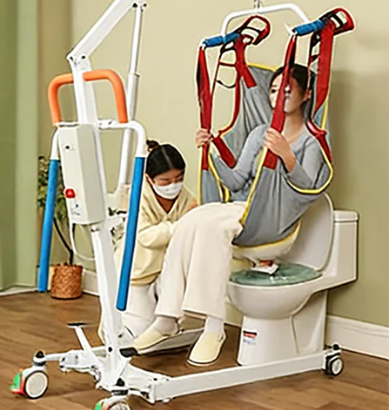
hoyer lift from floor
Unique Challenges in Floor Rescue
Physiological Risk Factors
The user may be in an injured or panicked state.
Risk of hypothermia due to prolonged stay on the floor.
Potential for secondary injuries caused by orthostatic hypotension.
Undetected injuries that require professional assessment.
Operational Technical Challenges
Limited space for equipment operation.
Difficulty in maintaining the user's dignity and comfort.
Caregivers need to maintain poor working postures.
Special requirements for equipment positioning and stability.
Specialized Equipment and Accessory Requirements
Floor Rescue-Specific Slings
Low-profile design: Facilitates placement under the fallen user.
Reinforced support structure: Provides additional safety.
Quick donning and doffing system: Simplifies the operation process.
High-visibility color: Easy for positioning and inspection.
Special Lift Configurations
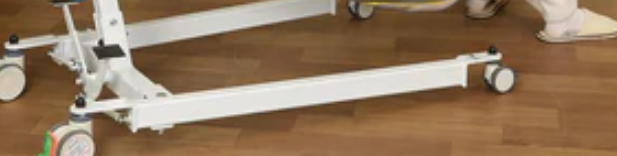
Extended base: Offers extra stability.
Extra-long boom: Meets the height requirement from the floor to a wheelchair.
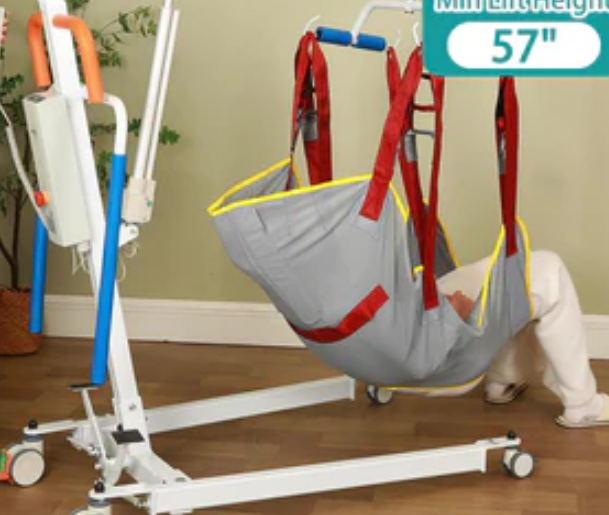
Low hydraulic starting point: hoyer lift from floor Enables lifting from true floor height.
Precision control system: Achieves millimetric fine operation.
Standardized Operating Procedures
Phase 1: On-Site Assessment and Preparation (0–5 Minutes)
Safety Assessment
Check for environmental risk factors.
Evaluate the user's consciousness and injury status.
Decide whether medical assistance is needed.
Prepare necessary rescue equipment.
Communication and Comforting
Stay calm and communicate in a calm tone.
Explain the purpose of each step of the operation.
Obtain the user's willingness to cooperate.
Continuously monitor vital signs.
Phase 2: Equipment Preparation and Positioning (5–10 Minutes)
Equipment Setup
Extend the lift base to its maximum width.
Install the specialized floor rescue sling.
Test the function of all safety devices.
Adjust the boom to the optimal operating position.
Sling Placement Techniques
Assist the user to lie on their side (if possible).
Slide the folded sling under the user's body.
Ensure the sling is correctly centered.
Slowly help the user return to a supine position.
Phase 3: Safe Lifting and Transfer (10–20 Minutes)
Connection and Inspection
Connect the sling according to the manufacturer's instructions.
Double-check the locked status of all hooks.
Confirm that the sling load is evenly distributed.
Conduct a final check before lifting.
Phased Lifting
Initial lift: Slowly lift 5–10 cm.
Safety pause: Check stability and the user's condition.
Continue lifting: hoyer lift from floor Steadily lift to a safe height.
Final positioning: Transfer to the target location.
Safety Precautions
Absolute Prohibitions
Attempting manual lifting alone.
Using non-specialized equipment for floor rescue.
Moving the user without confirming their injury status.
Ignoring the user's pain or discomfort responses.
Risk Control Measures
Always keep the option to call emergency medical services available.
Prepare auxiliary support pads and warm blankets.
Ensure sufficient operating space.
Be ready to stop the operation and re-evaluate at any time.
Handling of Special Situations
Unconscious Users
Prioritize ensuring a clear airway.
Assume potential spinal injuries.
Require additional personnel to assist with stabilization.
Seek professional medical assistance immediately.
Confined Space Rescue
Use compact equipment.
Consider a phased transfer strategy.
Ensure adequate lighting conditions.
Prepare alternative plans.
Rescue of Obese Users
Use heavy-duty specialized equipment.
Arrange for additional personnel to assist.
Adopt a step-by-step lifting strategy.
Prepare reinforced auxiliary equipment.
Training and Skill Maintenance
Essential Skill Training
Equipment-specific operation training.
Basic first aid certification.
Communication and comforting skills.
Scenario simulation training.
Regular Drill Requirements
Conduct skill reviews quarterly.
Participate in simulated practical drills.
Update knowledge of the latest operating guidelines.
Training on equipment maintenance skills.
Key Equipment Maintenance Points
Floor Rescue-Specific Inspections
Special inspection of sling wear.
Structural integrity check of extra-long booms.
Testing of low-height lifting systems.
Verification of emergency lowering functions.
Preventive Maintenance Plan
Conduct functional tests monthly.
Perform professional inspections quarterly.
Carry out comprehensive annual overhauls.
Clean and disinfect immediately after use.
Quality Improvement and Reporting
Incident Recording Requirements
Record details of each rescue operation.
Analyze difficulties encountered during operations.
Propose improvement suggestions.
Share successful experiences.
Continuous Improvement Process
Review operating procedures regularly.
Update training materials.
Optimize equipment configuration.
Improve emergency response plans.
Conclusion
Floor rescue is the scenario that requires the most professional skills and cautious attitude when using a Hoyer Lift. hoyer lift from floor With professional equipment, standardized operating procedures, and continuous skill training, caregivers can provide safe and dignified rescue services to fallen users. Remember, in such high-pressure situations, staying calm, following procedures, and prioritizing safety are the keys to successful rescue. Every successful floor rescue is a perfect combination of professional knowledge, technical capabilities, and humanistic care.